

• About
    • Mission / Vision Statement
    • Governance / Board of Directors
    • Board Meeting Packages
    • Area of Jurisdiction
    • Publications/Forms
    • Events
    • Tender Documents
    • Employment Opportunities
    • Accessibility
    • News & Blog
    • SCRCA Staff Directory
    • Service Disruptions
    • Contact Us
  • Permits & Planning
    • Introduction
    • Property Inquiry
    • Map Your Property
    • Regulations Permits
    • Drainage Act Project Review
    • Plan Input and Review
    • Policies and Guidelines
    • Fee Schedule
  • Water Management
    • Flood Notices
    • Flood Notice Types
    • W. Darcy McKeough Floodway
    • Low Water Response
    • Riverbank & Shoreline Protection Development
    • Erosion Control Projects
    • Great Lakes and Connecting Channels
  • Watershed Services
    • Tree Planting / Woodlot Services
    • Environmental Monitoring
    • Habitat Restoration Projects
    • Grants for Landowners
    • Invasive Species
  • Conservation Lands
  • Education
  • Foundation
    • About the SCRCF
    • Donate to our Foundation
    • Planned Giving
    • Memorial Forests
    • Sponsors
    • Land Donations
    • Scholarships
    • Green Meetings
  • Contact Us
St. Clair Region Conservation AuthoritySt. Clair Region Conservation Authority
Flood Status NORMALLow Water Status Level 1
  • About
    • Mission / Vision Statement
    • Governance / Board of Directors
    • Board Meeting Packages
    • Area of Jurisdiction
    • Publications/Forms
    • Events
    • Tender Documents
    • Employment Opportunities
    • Accessibility
    • News & Blog
    • SCRCA Staff Directory
    • Service Disruptions
    • Contact Us
  • Permits & Planning
    • Introduction
    • Property Inquiry
    • Map Your Property
    • Regulations Permits
    • Drainage Act Project Review
    • Plan Input and Review
    • Policies and Guidelines
    • Fee Schedule
  • Water Management
    • Flood Notices
    • Flood Notice Types
    • W. Darcy McKeough Floodway
    • Low Water Response
    • Riverbank & Shoreline Protection Development
    • Erosion Control Projects
    • Great Lakes and Connecting Channels
  • Watershed Services
    • Tree Planting / Woodlot Services
    • Environmental Monitoring
    • Habitat Restoration Projects
    • Grants for Landowners
    • Invasive Species
  • Conservation Lands
  • Education
  • Foundation
    • About the SCRCF
    • Donate to our Foundation
    • Planned Giving
    • Memorial Forests
    • Sponsors
    • Land Donations
    • Scholarships
    • Green Meetings
  • Contact Us

Property Closure at Wawanosh Wetland Conservation Area

Home UncategorizedProperty Closure at Wawanosh Wetland Conservation Area

Property Closure at Wawanosh Wetland Conservation Area

July 18, 2024

The SCRCA would like to advise the community of an upcoming closure at Wawanosh Wetland Conservation Area in the City of Sarnia.European Common Reed (Phragmites)
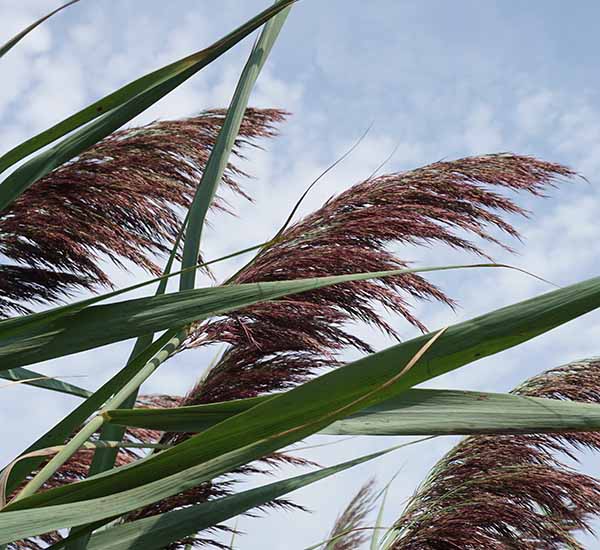
The property will be closed from Monday, July 29th, 2024 until Wednesday, July 31st, 2024, for the spraying of the invasive plant, Phragmites australis.

We appreciate your cooperation and apologize for the inconvenience.

SCRCA Staff are offering an opportunity for community members to learn more about Phragmites, an invasive species, and the work being completed by SCRCA Staff to remove it from SCRCA properties. Join us this Saturday, July 20th, from 10 am-1 pm at Wawanosh Wetland Conservation Area, where staff and local volunteers will be on-site to discuss Phragmites and its removal at Wawanosh Wetlands (and other properties).

More on Phragmites…

Phragmites australis is an aggressive plant (originating from Eurasia) that spreads quickly and outcompetes most native species, resulting in a complete takeover of their habitats. You can find this invader across the St. Clair watersheds, from Lake Huron beaches to farm fields and surrounding our wetlands. 

Impacts of this plant include:
  • provides very poor habitat and food sources to local wildlife (including several Species at Risk within our Watershed)
  • because of its high density of stems, there are barriers to ponds, especially for several species at risk
  • decrease in plant biodiversity
  • can change local hydrology (water levels)
  • increased chance of fires because of dead stem stocks
  • can also impact our day-to-day activities
    • decreased road visibility
    • negatively impact agricultural crops
    • negatively impacting recreational activities (boating, swimming, etc.)

Identifying Phragmites…
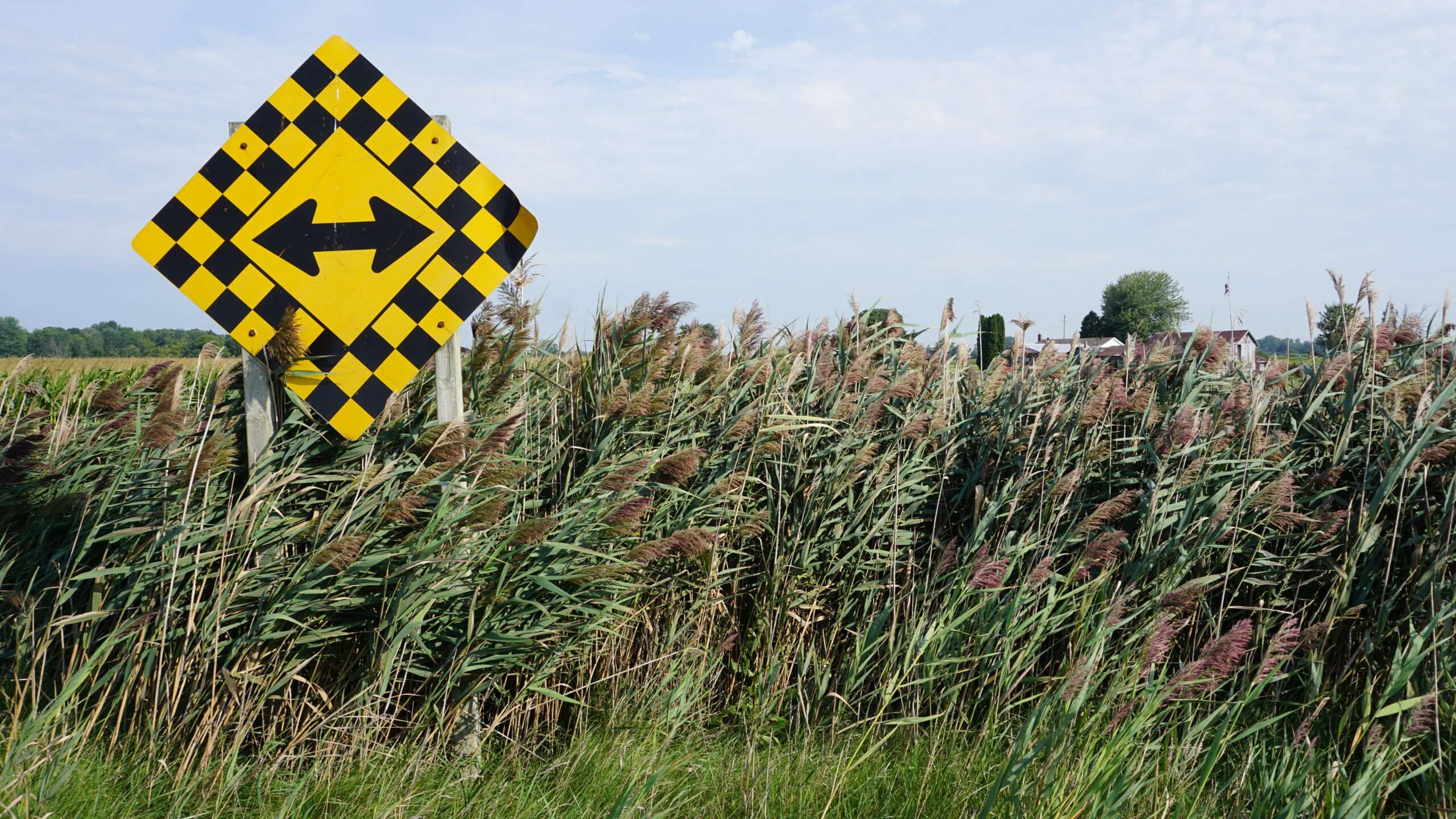
The tricky thing about identifying the invasive Phragmites australis is that there is a very similar native Phragmites (Phragmites americanus). Here are some tips to differentiate the two species:

  • Invasive Phragmites can reach heights of up to 5 metres (15 feet) and grows in stands that are extremely dense with as many as 200 stems per square metre;
  • Native Phragmites are shorter and do not grow in stands as dense; they are more naturally mixed in with other plants;
  • Invasive Phragmites have stems that are tan or beige with blue-green leaves and large, dense seedheads; and
  • Native Phragmites usually have more reddish-brown stems, yellow-green, and smaller sparser seedheads.

What can I do to prevent the spread of Invasive Phragmites?

The following are tips provided by the Ontario Government (Ontario Government: Phragmites Fact Sheet)

  • Learn how to identify invasive Phragmites and how to avoid accidentally spreading it through its root fragments and seeds. This is especially important if you are planning to do work in an area which contains invasive Phragmites,
  • Do not plant invasive Phragmites. Native Phragmites have the same appearance and do not pose an ecological risk.
  • Gardeners should use only native or non-invasive plants and are encouraged to ask garden centres for plants that are not invasive.
  • Stay on designated trails. Leaving trails or entering areas containing invasive Phragmites can encourage the spread of this plant. When leaving an area containing invasive Phragmites, brush off clothing and clean equipment onsite to avoid the transfer of seeds to new areas. Remove all visible portions of plants and dispose of them in the garbage.
  • Do not compost invasive Phragmites. Both seeds and rhizomes (horizontal plant stems growing underground) can survive and grow in compost.

News & Blog

  • NOTICE OF SERVICE DISRUPTION
    August 18, 2026
  • Tyson Lozon (right) is awarded with the A.W. Campbell Memorial Scholarship by St. Clair Region Conservation Authority Chair, Greg Grimes (left).St. Clair Region Conservation Authority Celebrates 2026 Conservation Scholarship Recipients
    July 21, 2026
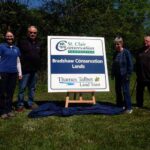
  • Four people standing beside the Bradshaw Conservation Lands signTTLT and SCRCF Host Recognition Event at Bradshaw Conservation Lands
    June 2, 2026
  • Scholarships Available through the St. Clair Region Conservation Authority
    May 1, 2026
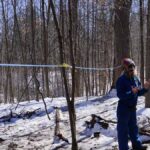
  • A woman standing in a forest with blue tubing attached to treesSCRCA Hosts A.W. Campbell Maple Syrup Festival March 21 – Alvinston Firefighters Association to Hold Pancake Breakfast March 21 and 22
    March 9, 2026

Regulations

  • Permits
  • Apply for a Permit
  • Drainage Act Project Review
  • Legal Inquiry

About Us

The St. Clair Region Conservation Authority is located in southwestern Ontario and includes the Sydenham River watershed and smaller watersheds draining directly into southern Lake Huron, the St. Clair River, and northeastern Lake St. Clair.

The Conservation Authority implements programs to reduce the risk to life and property from flooding and erosion; water and land stewardship; forestry; wildlife habitat creation and outdoor recreation.

Partner Links

  • Conservation Ontario
  • Thames-Sydenham & Region Source Protection Area
  • Healthy Lake Huron
  • Sydenham River Website
  • Friends of the St. Clair River
  • Forest Gene Conservation Association
  • Lake St. Clair Canadian Watershed Management Plan
  • Ontario Trillium Foundation

Connect with us!

  • St. Clair Region Conservation Authority
  • 205 Mill Pond Cres., Strathroy ON N7G3P9
  • 519-245-3710
  • 519-245-3348
  • stclair@scrca.on.ca

© 2026 · St. Clair Region Conservation Authority

  • Home
  • Accessibility
  • Privacy
  • Director Access
  • Foundation Access
  • WM
Prev Next