


Invasive Species in the St. Clair Region Watershed
Ontario is home to many invasive species that threaten forests, wetlands, waterways, and agricultural lands across the province. The St. Clair Region Conservation Authority (SCRCA) watershed is no exception, with non-native species posing significant risks to local ecosystems and biodiversity.
What are Invasive Species?
Invasive species are plants, animals, insects, or other organisms that have been introduced to areas where they are not naturally found. Their spread is commonly the result of human activities. If left unmanaged, invasive species can quickly overwhelm natural areas, impacting local economies, recreational opportunities, and overall environmental health.
Meet the Species
Learn more about the invasive species that have been found or are likely to be found within the St. Clair Region watershed. All information is courtesy of the Invasive Species Centre, an organization dedicated to preventing the introduction and spread of invasive species throughout Canada.
How You Can Stop the Spread of Invasive Species
Learn More About How Invasive Species Spread
Invasive species are often spread unknowingly through everyday activities such as moving firewood, transporting soil, or travelling between natural areas. Learning how invasive species are introduced and spread can help you take simple steps to prevent them from being transported to new locations.Clean Your Equipment and Vehicles Between Properties
Invasive species can easily be transported from one area to another on equipment and vehicles. Cleaning and disinfecting trucks, tractors, ATVs, boats, and other equipment before travelling to a new location can help prevent their spread. The Invasive Species Centre, in collaboration with the Government of Ontario, the Peterborough Stewardship Council, and the Ontario Invasive Plant Council, has developed a comprehensive Clean Equipment Protocol outlining why equipment cleaning is important and the steps you can take to effectively clean and disinfect vehicles and equipment.Report a Sighting
Early detection and reporting are critical to helping prevent the spread of invasive species. If you spot an invasive species in Ontario, report it through the Early Detection and Distribution Mapping System (EDDMapS).Lambton County Phragmites Cost-Share Program
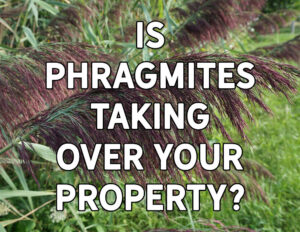
Invasive Phragmites (Phragmites australis) is one of the most visible and widespread invasive species in the St. Clair Region. This highly invasive reed spreads aggressively, can reach heights up to 5 metres, and can form extremely dense stands of up to 200 stems per square metre. If left unmanaged, Phragmites can degrade natural habitat, outcompete native plants, increase fire risk, and limit recreational access.
To support on-the-ground action, the SCRCA has launched a cost-sharing program to help local landowners control and reduce Phragmites on their properties throughout 2026. Through the program, the SCRCA will cover the cost of the required control measures and equipment, while participating landowners will be responsible for costs associated with a licensed exterminator (approximately $50/hour).
Contact Jeff Sharp, Manager of Conservation Services, for more information at [email protected] or at (519) 245-3710 Ext. 217.


