


About the WLERCA Transition
Ontario is bringing conservation authorities together in a new regional model so we can coordinate services, share expertise and make the best use of resources. On February 1, 2027, the 36 conservation authorities in Ontario will become nine regional authorities.
In our region, the following 4 conservation authorities will come together to form the Western Lake Erie Regional Conservation Authority (WLERCA):
The WLERCA watershed and the rivers within connect prosperous and growing communities, forests, wetlands, and farmland to the Great Lakes system. Shared knowledge and coordination will provide opportunities to enhance the programs that manage natural hazards, protect conservation lands and support healthy watersheds and resilient communities.
The St. Clair Region Conservation Authority (SCRCA) is working alongside these conservation authorities to ensure a smooth, successful transition to the WLERCA.
Frequently Asked Questions
The Western Lake Erie Regional Conservation Authority (WLERCA) is the regional conservation authority being established through Ontario’s consolidation of conservation authorities. It is the regional authority that will bring together Essex Region, Lower Thames Valley, St. Clair Region, and Upper Thames River conservation authorities.
Local programs and services will continue, including flood forecasting and warning, permit review, stewardship, education, watershed monitoring and conservation area management. You can continue to access these services through the SCRCA and the local staff who support our communities. This page will provide updates on the work to bring the participating conservation authorities together.
The Government of Ontario has directed the consolidation of Ontario’s 36 conservation authorities into nine regional organizations to strengthen watershed management and provide more consistent services.
For our region, bringing conservation authorities together creates opportunities to share scientific and technical expertise, improve access to technology and resources, and coordinate work that protects communities from flooding and other natural hazards.
This work will build on the local knowledge, relationships and conservation efforts already established across the region. Local programs and services will continue, with a shared focus on protecting people and property, supporting healthy watersheds and meeting the needs of our communities today and into the future.
The Conservation Authorities Act defines the transition date as February 1, 2027, or a later date prescribed by regulation. We will share transition updates and progress on this page and through our regular communications channels.
Local programs and services are not changing as a result of consolidation. Continue to use office locations and contact details, and fees listed on your local conservation authority’s website.
Continue to use the SCRCA’s website and local office for services within our watershed. Our office is at 205 Millpond Crescent, Strathroy, and our main telephone number is 519-245-3710.
Current fees, forms and service information are available on the relevant service pages. Our Contacts Directory can help you reach the right team. If you are unsure where to start, call our main number, and we will direct your question. Local programs and services continue during the transition.
If your property is within the St. Clair Region Conservation Authority’s jurisdiction, continue to apply through the St. Clair Region Conservation Authority. Visit our Apply for a Permit page for the application process and contact information.
Our Apply for a Permit page explains the application process, submission requirements and fees. If you are at the planning stage, a pre-consultation meeting can help identify what you need before submitting an application. Contact [email protected] or call 519-245-3710.
Start with our Property Mapping/Geoportal page, which links to interactive mapping showing regulated areas, including floodplains and source water protection areas.
For questions about a particular property, contact the SCRCA. Staff can help explain the available mapping and identify whether you should request property information or arrange a pre-consultation meeting. Checking early is particularly helpful when buying a property or planning construction, landscaping or shoreline improvements.
Continue working with the SCRCA staff member handling your application. Submit requested information and direct questions about your file to that person, or email [email protected].
If you already hold a permit, follow its conditions and expiry date. Contact our permitting team before changing your project or if you need advice about completing the work within your permit’s timeframe. You do not need to wait for the regional transition to seek assistance or move forward through the application process.
The St. Clair Region Conservation Authority continues to monitor watershed conditions and issue flood messages to help residents and municipalities prepare. Visit our Flood Forecasting and Warning page for current messages and explanations of flood watches and warnings.
For local flood response assistance, including information about road closures, sandbagging or evacuation, contact your municipality. If someone is in immediate danger, call 911. You can also contact the SCRCA to report flooding or ask about watershed conditions.
Visit our Low Water and Droughts page for information about watershed conditions, low water levels and ways to conserve water.
The SCRCA monitors precipitation and water conditions and coordinates the local Water Response Team, bringing together municipalities, water users and provincial partners to support a coordinated response. Check your municipality’s website for any local watering restrictions.
Yes. Continue to contact the St. Clair Region Conservation Authority for advice and support for projects that improve local land and water.
Staff can help you explore suitable options, eligibility requirements and application periods. Contact us early when planning a project so we can help identify available support and any approvals you may need.
Continue to use SCRCA’s existing purchase options for our conservation areas. Visit the relevant conservation area page for instructions.
The St. Clair Region Conservation Authority’s current annual Conservation Area passes are described as covering SCRCA conservation areas. Check with the authority operating another location before visiting. Any confirmed changes to regional pass arrangements will be added here.
Any donation made to the SCRCA, whether a financial contribution or a donation of land, will remain with the SCRCA and be used locally. Donations will continue to support conservation initiatives, projects and priorities within the SCRCA watershed, ensuring your contribution directly benefits the local environment and communities you care about.
Board procedures and hearing arrangements are still being developed, so there is no confirmed answer yet on where hearings will take place or how residents will participate. Other conservation authorities have hearing committee models that can help inform that work.
Staff will be asked to identify plan review, permitting, hearing and judicial files. A small team will use this information to document the status of existing files and identify any matters requiring particular attention during the transition.
The existing 2027 budgets are the starting point, and approved projects and funding commitments are expected to continue. The combined budgets will still need careful review, and some decisions may be needed to meet regional priorities.
The 2028 budget will be the first developed under the regional model. How municipal contributions are shared and local projects are funded is still being worked through. The aim is to keep local watershed priorities reflected in those decisions while coordinating investments across the region.
For 2027, existing funding arrangements remain in place. Projects will continue to draw on municipal contributions, grants and other approved funding sources. Municipalities will receive levy and apportionment notices as they do today.
From 2028, notices setting out municipal contributions will go to participating upper-tier and single-tier municipalities. Counties and regions will have flexibility in allocating costs among their lower-tier municipalities. The details of project funding under the regional model are still being developed with municipal partners.
No decision has been made on whether the current conservation authorities will become districts, or on long-term office names and branding. Local offices and watershed connections will remain important, with a strong local presence expected on February 1.
WLERCA’s identity will take shape over time, drawing on the history and expertise of the four organizations and the communities they serve. The new Board’s strategic planning work will help guide that direction.
This page will provide transition updates, explain progress and answer questions about WLERCA as the regional organization takes shape.
We will continue adding information about regional governance, transition milestones and how the participating conservation authorities are working together to support local watersheds and communities. You can also follow SCRCA news and subscribe to the Conservation Update newsletter. If your question is not answered here, contact us so we can help and use recurring questions to improve these FAQs.
Learn more about the Ontario Provincial Conservation Agency (OPCA) and provincial transition information Visit the OPCA Website Here
News & Blog
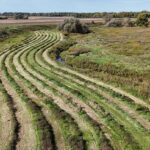 Provincial Funding Supports Wetland Restoration and Habitat Enhancement in the St. Clair RegionNovember 20, 2026
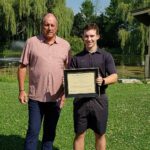 St. Clair Region Conservation Authority Celebrates 2026 Conservation Scholarship RecipientsJuly 21, 2026
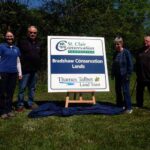 TTLT and SCRCF Host Recognition Event at Bradshaw Conservation LandsJune 2, 2026
 Scholarships Available through the St. Clair Region Conservation AuthorityMay 1, 2026
 SCRCA Hosts A.W. Campbell Maple Syrup Festival March 21 – Alvinston Firefighters Association to Hold Pancake Breakfast March 21 and 22March 9, 2026