

• About
    • Mission / Vision Statement
    • Governance / Board of Directors
    • Board Meeting Packages
    • Area of Jurisdiction
    • Publications/Forms
    • Events
    • Tender Documents
    • Employment Opportunities
    • Accessibility
    • News & Blog
    • SCRCA Staff Directory
    • Service Disruptions
    • Contact Us
  • Permits & Planning
    • Introduction
    • Property Inquiry
    • Map Your Property
    • Regulations Permits
    • Drainage Act Project Review
    • Plan Input and Review
    • Policies and Guidelines
    • Fee Schedule
  • Water Management
    • Flood Notices
    • Flood Notice Types
    • W. Darcy McKeough Floodway
    • Low Water Response
    • Riverbank & Shoreline Protection Development
    • Erosion Control Projects
    • Great Lakes and Connecting Channels
  • Watershed Services
    • Tree Planting / Woodlot Services
    • Environmental Monitoring
    • Habitat Restoration Projects
    • Grants for Landowners
    • Invasive Species
  • Conservation Lands
  • Education
  • Foundation
    • About the SCRCF
    • Donate to our Foundation
    • Planned Giving
    • Memorial Forests
    • Sponsors
    • Land Donations
    • Scholarships
    • Green Meetings
  • Contact Us
St. Clair Region Conservation AuthoritySt. Clair Region Conservation Authority
Flood Status NORMALLow Water Status Level 1
  • About
    • Mission / Vision Statement
    • Governance / Board of Directors
    • Board Meeting Packages
    • Area of Jurisdiction
    • Publications/Forms
    • Events
    • Tender Documents
    • Employment Opportunities
    • Accessibility
    • News & Blog
    • SCRCA Staff Directory
    • Service Disruptions
    • Contact Us
  • Permits & Planning
    • Introduction
    • Property Inquiry
    • Map Your Property
    • Regulations Permits
    • Drainage Act Project Review
    • Plan Input and Review
    • Policies and Guidelines
    • Fee Schedule
  • Water Management
    • Flood Notices
    • Flood Notice Types
    • W. Darcy McKeough Floodway
    • Low Water Response
    • Riverbank & Shoreline Protection Development
    • Erosion Control Projects
    • Great Lakes and Connecting Channels
  • Watershed Services
    • Tree Planting / Woodlot Services
    • Environmental Monitoring
    • Habitat Restoration Projects
    • Grants for Landowners
    • Invasive Species
  • Conservation Lands
  • Education
  • Foundation
    • About the SCRCF
    • Donate to our Foundation
    • Planned Giving
    • Memorial Forests
    • Sponsors
    • Land Donations
    • Scholarships
    • Green Meetings
  • Contact Us

Healthy Lake Huron: Clean Water, Clean Beaches Releases 2016 Newsletter

Home News & BlogHealthy Lake Huron: Clean Water, Clean Beaches Releases 2016 Newsletter
Healthy Lake Huron: Clean Water, Clean Beaches Releases 2016 Newsletter

Healthy Lake Huron: Clean Water, Clean Beaches Releases 2016 Newsletter

May 24, 2016

The Healthy Lake Huron: Clean Water, Clean Beaches Partnership has released the 2016 newsletter. Print and web copies let people know about work being done to protect water and beaches along the southeast shoreline of Lake Huron from Sarnia to Tobermory.

The 2016 newsletter includes news items on community volunteers cleaning up the shoreline; changing lake levels; finding out about E. coli levels and beach conditions before swimming; septic system best practices; and ways to reduce erosion. The publication also shares how plant cover on fields and gardens can improve soil health and benefit water quality; why it’s so important to keep cigarette butts off the beach; the benefits of rain gardens; the need for stormwater management to keep microplastics out of Lake Huron; and work being done by Chippewas of Kettle and Stony Point First Nation to control “Canada’s worst invasive plant” Phragmites australis (European Common Reed).

The newsletter has facts about the Binational Nearshore Framework (at binational.net); the Great Lakes Water Quality Agreement between the United States and Canada; targets to reduce phosphorus in Lake Erie; and the need to help reduce phosphorus loading in Lake Huron as well. The newsletter also provides community groups and landowners with information about federal, provincial, and county funding programs to support their work to protect and improve Lake Huron water quality.

Healthy Lake Huron is a partnership of landowners, communities, all levels of government, public health, and local conservation agencies. The newsletter shows how First Nations and Métis communities, landowners, community groups, departments, ministries, and agencies are all working with a common goal of protecting Lake Huron. This year’s issue includes some of the challenges facing Lake Huron, information about funding programs that are in place, and it offers ways each of us can help to keep this Great Lake great.

This year’s newsletter features submissions from contributors from the Chippewas of Kettle and Stony Point First Nation and the Historic Saugeen Métis. There are articles on community projects protecting water and soil in five priority watershed areas along Lake Huron’s southeast shore: Garvey Creek and Glenn Drain; watersheds north of Bayfield; Lambton Shores; Pine River; and Main Bayfield watershed. The newsletter features an article by Lambton Shores agricultural producer Doug Rogers on work he is doing on his farm to reduce erosion and nutrient loss and striving to maintain a ‘living crop’ on his fields year-round. There is an article about an increase in the amount of rented agricultural land and how that makes it important for landowners and farm renters to work together on long-term best management practices. There is an article about the benefits of composting toilets and one about a neat soil biology test you can do by placing cotton briefs in a field or garden to give you an idea about the health of your soil.

One article details the success of the Huron County Clean Water Project which has provided grants to support more than 2,000 water quality projects completed by landowners, residents, and community groups in Huron County. Another article shares how two Lake Huron subwatersheds have been chosen for a Great Lakes Agricultural Stewardship Initiative (GLASI) project by the Ontario Soil and Crop Improvement Association (OSCIA) to reduce phosphorus loss and to measure improvements in soil health, water quality, and to evaluate effectiveness of focused stewardship efforts.

The first Lake Huron Southeast Shore Newsletter was released in 2008. The 2016 newsletter is the eighth edition.

The newsletter is available for free download online at healthylakehuron.ca or by clicking here. Printed copies of the newsletter are also available at a number of local locations including tourist information centres and county and conservation authority offices.

There are so many positive projects taking place along Lake Huron’s southeast shore there wasn’t enough room in the eight-page newsletter to include all submissions, according to a partnership spokesperson. The Healthy Lake Huron Partnership plans to add some of these additional articles at healthylakehuron.ca in the coming weeks.
News & Blog

  • NOTICE OF SERVICE DISRUPTION
    August 18, 2026
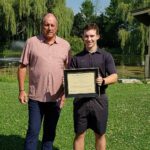
  • Tyson Lozon (right) is awarded with the A.W. Campbell Memorial Scholarship by St. Clair Region Conservation Authority Chair, Greg Grimes (left).St. Clair Region Conservation Authority Celebrates 2026 Conservation Scholarship Recipients
    July 21, 2026
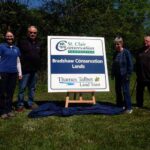
  • Four people standing beside the Bradshaw Conservation Lands signTTLT and SCRCF Host Recognition Event at Bradshaw Conservation Lands
    June 2, 2026
  • Scholarships Available through the St. Clair Region Conservation Authority
    May 1, 2026
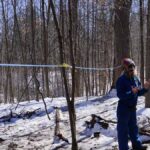
  • A woman standing in a forest with blue tubing attached to treesSCRCA Hosts A.W. Campbell Maple Syrup Festival March 21 – Alvinston Firefighters Association to Hold Pancake Breakfast March 21 and 22
    March 9, 2026

Regulations

  • Permits
  • Apply for a Permit
  • Drainage Act Project Review
  • Legal Inquiry

About Us

The St. Clair Region Conservation Authority is located in southwestern Ontario and includes the Sydenham River watershed and smaller watersheds draining directly into southern Lake Huron, the St. Clair River, and northeastern Lake St. Clair.

The Conservation Authority implements programs to reduce the risk to life and property from flooding and erosion; water and land stewardship; forestry; wildlife habitat creation and outdoor recreation.

Partner Links

  • Conservation Ontario
  • Thames-Sydenham & Region Source Protection Area
  • Healthy Lake Huron
  • Sydenham River Website
  • Friends of the St. Clair River
  • Forest Gene Conservation Association
  • Lake St. Clair Canadian Watershed Management Plan
  • Ontario Trillium Foundation

Connect with us!

  • St. Clair Region Conservation Authority
  • 205 Mill Pond Cres., Strathroy ON N7G3P9
  • 519-245-3710
  • 519-245-3348
  • stclair@scrca.on.ca

© 2026 · St. Clair Region Conservation Authority

  • Home
  • Accessibility
  • Privacy
  • Director Access
  • Foundation Access
  • WM
Prev Next